Best Cold-Weather Security Cameras (-30 °C) 2026
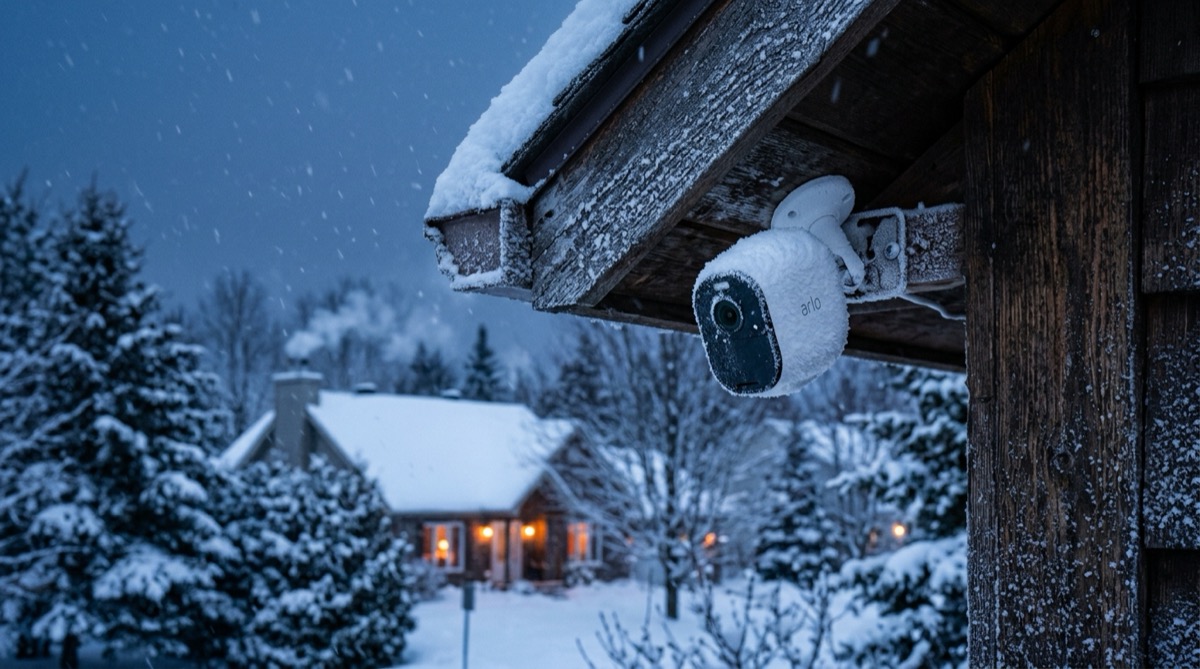
For freezing winters, an outdoor camera must be rated to -30 °C (-22 °F), not -20 °C, and carry an IP66 or IP67 rating. The battery trap: lithium loses 15–50% of its runtime in deep cold, cutting surveillance mid-winter. The most reliable choices are a wired camera with local storage (no battery, no subscription) or a -30 °C solar camera with a large battery (10,000 mAh+). Picks and a comparison below.
In this guide
Why cold kills ordinary cameras
Most cameras sold online are built for mild climates. Their spec sheet often lists an operating range of -10 °C to -20 °C. In California that's fine. In the northern US, Canada, Scandinavia or alpine regions, it's a guaranteed January failure.
Three things stack up in a hard winter:
- Deep cold (-25 to -40 °C) freezes the electronics and lens. Below its rating, the camera simply stops responding — often with no warning.
- Lithium batteries collapse. Below 0 °C, usable capacity drops 15–30%, and up to 50% in a deep freeze. A "6-month" camera can last weeks.
- Ice, snow and freezing rain get into any poorly sealed housing, freeze inside, and damage the sensor.
The result is always the same: the camera vanishes from the network exactly when you need it. That's why the number-one spec is the operating temperature, not resolution or AI.
The 4 non-negotiable winter criteria
1. Operating temperature: -30 °C minimum
Look for "operating temperature." For hard winters aim for -30 °C minimum; sub-arctic regions want -40 °C. Don't be fooled by the storage temperature (always more generous than operating).
2. IP rating: IP66 or IP67
IP66 handles dust and powerful water jets; IP67 adds temporary immersion. Avoid anything IP54 or lower outdoors.
3. Reliable power in the cold
Either a wired camera (constant power, safest in winter) or a solar camera with a large battery (10,000 mAh+) that can absorb the capacity drop. A small battery-only camera is the worst winter choice.
4. Local storage, no subscription
A microSD card (64 GB+) or NVR avoids monthly cloud fees and keeps recording during an outage — see our no-subscription comparison.
The battery trap in deep cold
This is the costly mistake. A fully wireless battery camera is tempting — no cable, five-minute install. But lithium hates cold:
- 0 to -10 °C: about -20% runtime.
- Below -20 °C: 40–50% loss.
- Solar recharge also slows — short days, low sun.
The fix: pick a solar model with a 10,000 mAh+ battery, face the panel south, and accept a manual top-up during the darkest weeks. If you can run a cable, wired removes the problem entirely — our default recommendation for freezing climates.
Our 2026 cold-weather picks
Four models that truly meet the criteria above, most to least reliable. Prices indicative on Amazon.
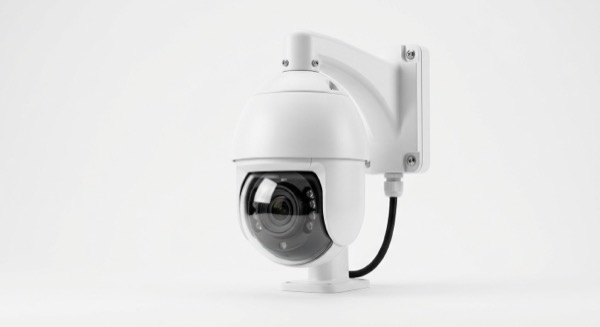
TP-Link Tapo C560WS
Down to -30 °C4 MP 2K+Pan/Tilt 360°IP66microSD + cloud
Motorised 360° outdoor camera officially rated to -30 °C — exactly the winter target. Color night vision, built-in spotlight, local microSD storage with no required subscription. The best reliability/price balance for cold climates.
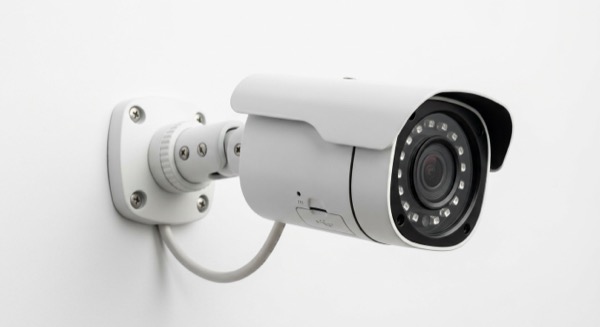
Reolink RLC-810A (PoE)
4K 8 MPWired PoEIP67Person/vehicleNVR / microSD
For anyone who can run an Ethernet cable: power and data on one wire (PoE), no battery to fear in winter, continuous 4K recording to NVR or card. IP67 and smart detection. The most reliable "install and forget" choice in the cold.
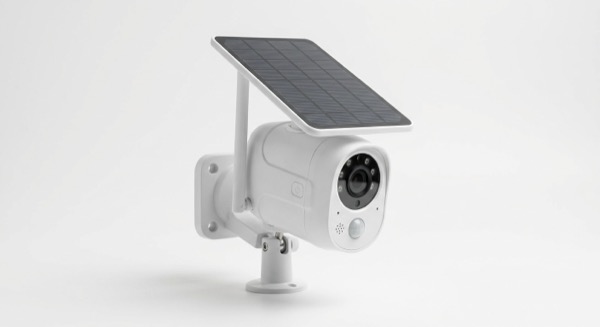
Eufy SoloCam S340
Built-in solar3K dual-lensPan/Tilt 360°IP678 GB local
The wire-free benchmark: integrated solar panel, dual-lens 3K with motion tracking, local storage with no fees. Best where no cable is possible. Mount it facing south and watch the battery level through the coldest weeks.
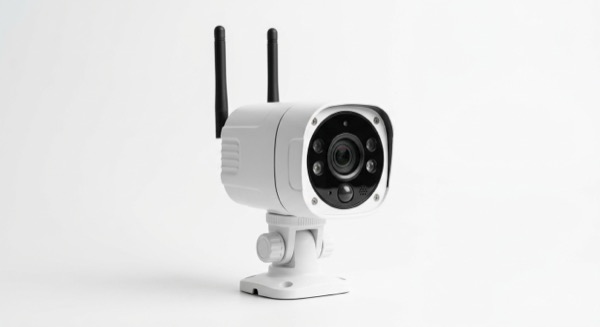
TP-Link Tapo C425
Down to -20 °C2K QHDWire-free batteryIP66Color night
Affordable, fuss-free option for a budget or a less exposed spot (under cover, balcony, sheltered entry). Note: rated to -20 °C only — below that it can struggle. Keep it out of direct deep cold.
Comparison table
| Model | Cold rating | Power | IP | Price | Best for |
|---|---|---|---|---|---|
| Tapo C560WS | -30 °C | Mains | IP66 | $70–90 | Best all-round winter |
| Reolink RLC-810A | -30 °C (wired) | PoE wired | IP67 | $80–100 | Maximum reliability, 4K |
| Eufy SoloCam S340 | -20 to -30 °C | Solar + battery | IP67 | $130–170 | No cable possible |
| Tapo C425 | -20 °C | Battery | IP66 | $55–70 | Budget, sheltered spot |
Ratings and prices per manufacturer specs and Amazon at time of writing (May 2026). Always check the model listing.
Installing against snow and ice
- Shelter the lens under an eave or small awning to keep snow and freezing rain off.
- Aim down and face south when possible: better solar recharge and less snow on the lens.
- Seal the cable entry with a grommet and sealant — that's where water gets in and freezes.
- Avoid full north-wind exposure for battery models — that's where cold bites hardest.
- Mind privacy. Aim at your own property; filming neighbours or public spaces is regulated in many places.
The right pick depends on cold exposure, whether you can run a cable, and budget. Read our wired vs wireless vs solar buying guide.
Read the buying guideFrequently asked questions
What temperature should an outdoor security camera handle?
For harsh winters, aim for a camera rated to operate down to at least -30 °C (-22 °F). Sub-arctic regions need -40 °C. The operating temperature is in the spec sheet: if it lists only -20 °C, it may stop responding in a cold snap.
Do battery cameras work in winter?
Yes, but runtime drops sharply — 15–30% below 0 °C and up to 50% in deep cold. For freezing climates a wired camera, or a solar camera with a 10,000 mAh+ battery, is far more reliable than a small battery alone.
What IP rating do I need for cold and wet?
IP66 or IP67. IP66 resists water jets and dust; IP67 adds temporary immersion. With a -30 °C rating, that covers snow, ice and freezing rain.